
Comprehensive Guide to Rodent Pest Control
Rodents, including rats and mice, are among the most pervasive and troublesome pests. They can cause extensive property damage and pose serious health risks by spreading diseases and contaminating food. Effective rodent control is essential for maintaining a safe and healthy environment. This guide provides a detailed overview of strategies and methods for controlling and preventing rodent infestations.
Understanding Rodents
Understanding rodent behavior and characteristics is critical for effective control:
- Common Species:
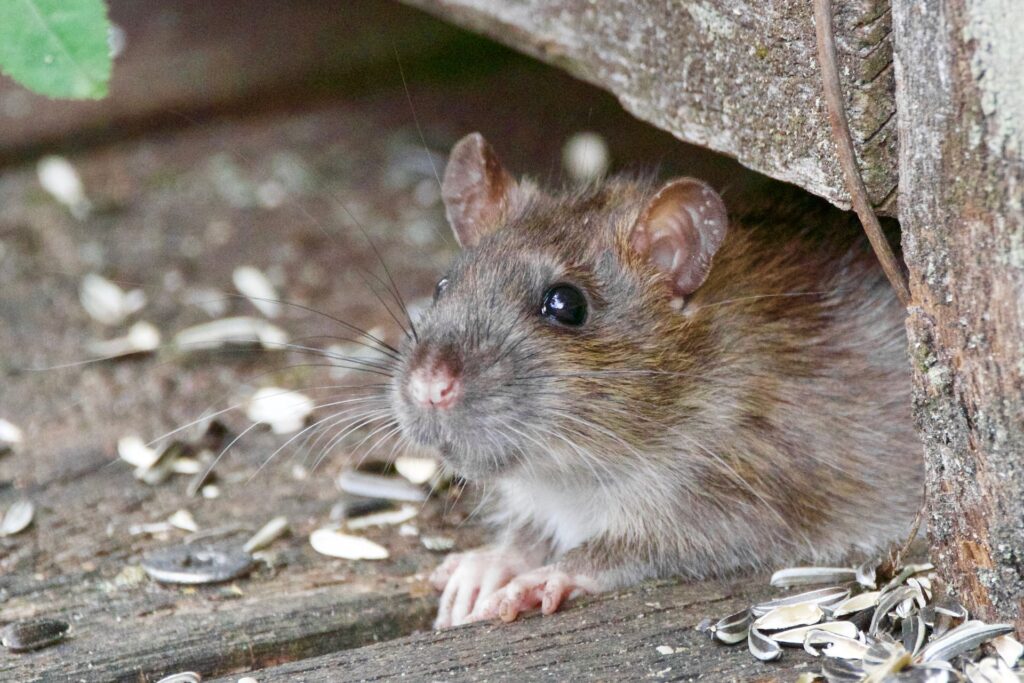
- Norway Rat (Rattus norvegicus): Also known as the brown rat, it prefers lower floors and basements.
- Roof Rat (Rattus rattus): Also known as the black rat, it is more agile and prefers attics and upper floors.
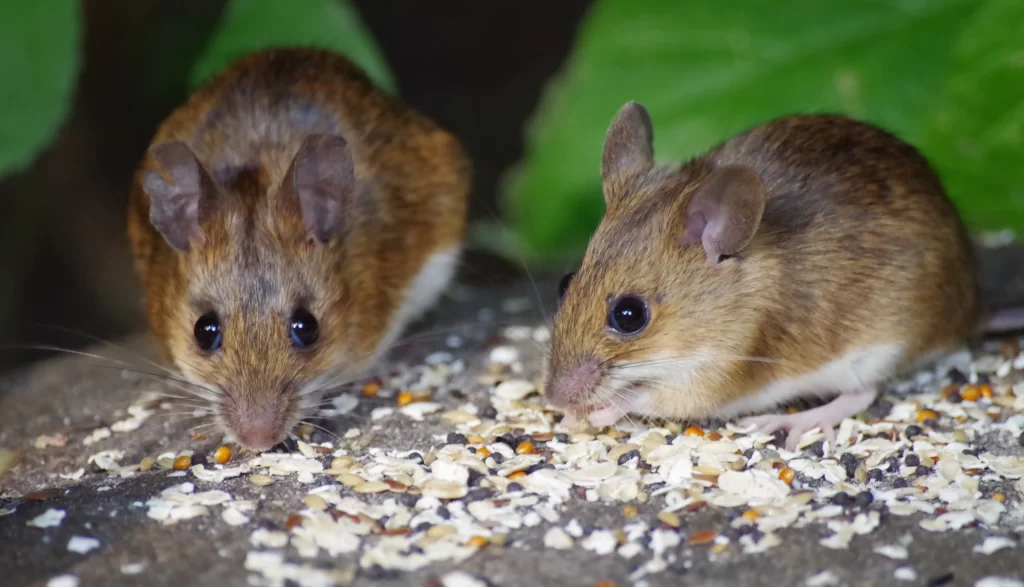
- House Mouse (Mus musculus): Commonly found indoors and capable of surviving in various conditions.
- Life Cycle: Rodents reproduce quickly. A single pair of rats can produce up to 2,000 offspring in one year under ideal conditions.
- Habitat: Rodents seek shelter, food, and water. They are commonly found in homes, garages, basements, and attics.
- Behavior: Rodents are nocturnal, meaning they are most active at night. They are also cautious and may take time to explore and approach new objects or changes in their environment.
Signs of Rodent Infestation
Identifying a rodent infestation early can prevent it from becoming severe. Look for these signs:
- Droppings: Small, dark, and pellet-shaped droppings are commonly found along walls, in drawers, and under sinks.
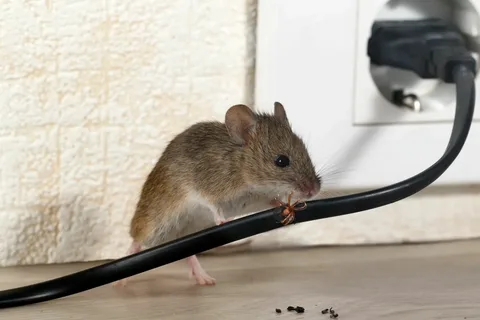
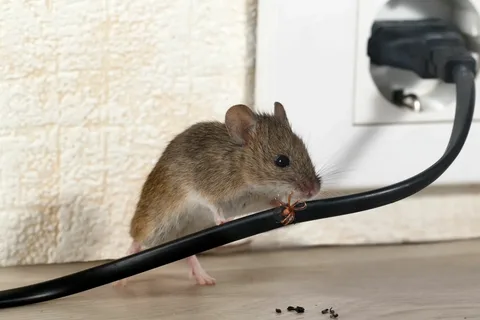
- Gnaw Marks: Rodents gnaw on wood, wires, plastic, and other materials. Fresh marks are light-colored, while older ones darken over time.
- Tracks and Runways: Greasy trails along walls, floors, and other surfaces indicate frequent rodent activity.
- Nests: Shredded paper, fabric, and insulation are used to build nests, often found in hidden areas like wall cavities and attics.
- Scratching Noises: Noises in walls, ceilings, and attics at night may indicate rodent activity.
- Odor: A strong, musky smell can indicate a large rodent population.
Preventive Measures
Prevention is the first line of defense against rodent infestations:
- Seal Entry Points: Inspect your home for gaps, cracks, and holes, and seal them using steel wool, caulk, or metal mesh. Pay special attention to areas around pipes, vents, and cables.
- Food Storage: Store food in airtight containers, including pet food, and keep kitchen counters clean and free of crumbs.
- Waste Management: Use sealed garbage cans and dispose of trash regularly. Clean up pet waste promptly.
- Eliminate Clutter: Reduce clutter in storage areas, garages, and basements to eliminate hiding places for rodents.
- Maintain Landscaping: Trim tree branches and shrubs away from the house to prevent rodents from using them as access points.
Rodent Control Methods
Several methods can be employed to control rodent populations:
- Traps:
- Snap Traps: Traditional traps that kill rodents instantly. Use bait like peanut butter or cheese to attract rodents.
- Live Traps: Catch and release traps that allow for humane removal of rodents. Ensure to release rodents far from residential areas.
- Glue Boards: Sticky traps that capture rodents by adhering them to the board. Use with caution, as they may be considered inhumane.
- Rodenticides: Poison baits are effective but should be used with caution to avoid accidental ingestion by pets or children. Always follow label instructions and use tamper-resistant bait stations.
- Electronic Repellents: Ultrasonic devices emit high-frequency sound waves that are unpleasant to rodents but inaudible to humans and pets. Effectiveness may vary.
- Professional Pest Control: For severe infestations, hiring a professional pest control service is recommended. Professionals can provide targeted treatments and preventive measures.
Integrated Pest Management (IPM)
Integrated Pest Management (IPM) is a comprehensive approach to pest control that combines multiple methods for effective and sustainable results. The key components of IPM include:
- Inspection and Monitoring: Regularly inspect your home for signs of rodent activity and monitor the effectiveness of control measures.
- Identification: Accurately identify the species of rodent to determine the most effective treatment plan.
- Exclusion and Sanitation: Implement preventive measures to reduce the likelihood of future infestations.
- Chemical and Non-Chemical Treatments: Use a combination of chemical and non-chemical control methods as needed.
- Evaluation and Adjustment: Continuously evaluate the success of your pest control efforts and adjust your approach as necessary.
Health and Safety Considerations
When dealing with rodent infestations, it’s important to prioritize health and safety:
- Protective Gear: Wear gloves and masks when handling traps, rodenticides, or rodent carcasses to prevent contact with rodent-borne diseases.
- Safe Disposal: Dispose of dead rodents, traps, and contaminated materials in sealed plastic bags. Clean and disinfect areas where rodents have been active.
- Pet and Child Safety: Keep traps and rodenticides out of reach of pets and children. Use tamper-resistant bait stations for rodenticides.
- Environmental Impact: Be mindful of the environmental impact of rodenticides and choose products that minimize risks to non-target animals.
Conclusion
Rodent control requires a combination of prevention, detection, and treatment strategies. By maintaining a clean and clutter-free home, sealing entry points, and using appropriate control methods, you can effectively manage rodent infestations and create a healthier living environment. For persistent or severe infestations, consulting a professional pest control service is the best course of action.

