
Comprehensive Guide to Mosquito Pest Control
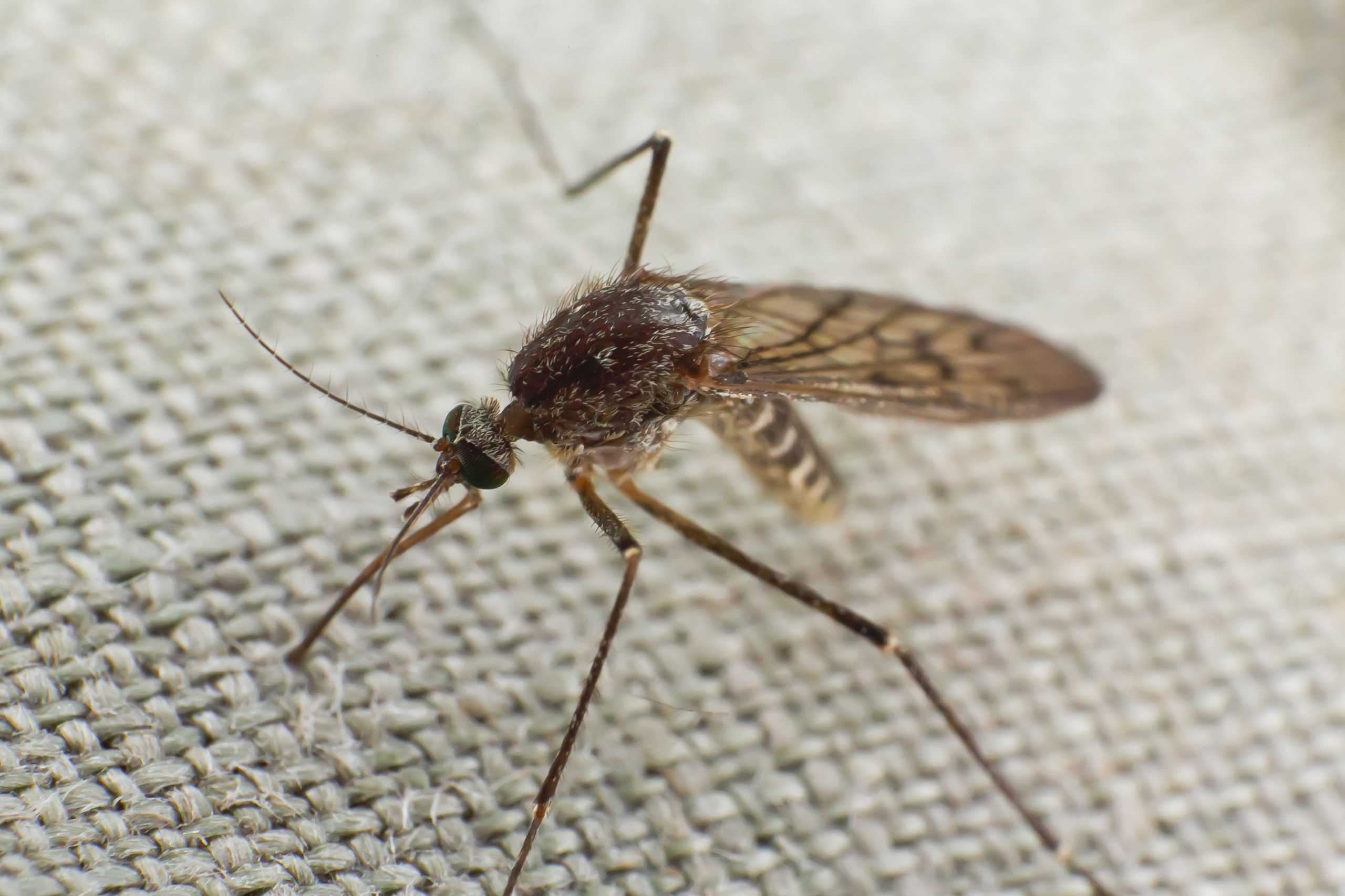
Mosquitoes are not only annoying pests but also dangerous vectors for several diseases such as malaria, dengue, Zika virus, and West Nile virus. Effective mosquito control is essential for protecting public health and maintaining comfortable living environments. This guide outlines the strategies for controlling mosquitoes, preventing bites, and reducing mosquito populations in your surroundings.
Understanding Mosquitoes
Understanding the behavior and life cycle of mosquitoes is crucial for effective control:
- Species: There are over 3,000 species of mosquitoes worldwide, with different species having unique behaviors and habitats. Common disease-carrying mosquitoes include Aedes, Anopheles, and Culex species.
- Life Cycle: Mosquitoes go through four stages: egg, larva, pupa, and adult. Eggs are laid on or near water, and larvae and pupae develop in water.
- Habitat: Mosquitoes breed in standing water, such as ponds, puddles, containers, and any area that collects water.
- Behavior: Mosquitoes are most active during dawn and dusk. Female mosquitoes feed on blood to obtain nutrients for egg production.
Signs of Mosquito Infestation
Indications of a mosquito infestation include:
- Bites: Itchy, red welts on the skin.
- Buzzing: The characteristic buzzing sound of mosquitoes, especially during quiet times.
- Sightings: Seeing mosquitoes flying or resting indoors or outdoors.
Preventive Measures
Prevention is key to reducing mosquito populations and preventing bites:
- Eliminate Standing Water: Regularly check and empty items that collect water, such as buckets, flower pots, birdbaths, and tires. Ensure that gutters are clean and free-flowing.
- Maintain Pools and Ponds: Properly chlorinate and filter swimming pools. Introduce mosquito-eating fish, such as goldfish or guppies, into ponds.
- Landscape Management: Trim tall grass and shrubs to reduce resting areas for adult mosquitoes.
- Screens and Nets: Install window and door screens to prevent mosquitoes from entering your home. Use mosquito nets over beds, especially in high-risk areas.
- Personal Protection: Wear long sleeves and pants, especially during peak mosquito activity times. Use insect repellents containing DEET, picaridin, or oil of lemon eucalyptus.
Mosquito Control Methods
Several methods can be employed to control mosquito populations:
- Larvicides: Apply larvicides to standing water to kill mosquito larvae before they develop into adults. Common larvicides include Bti (Bacillus thuringiensis israelensis) and methoprene.
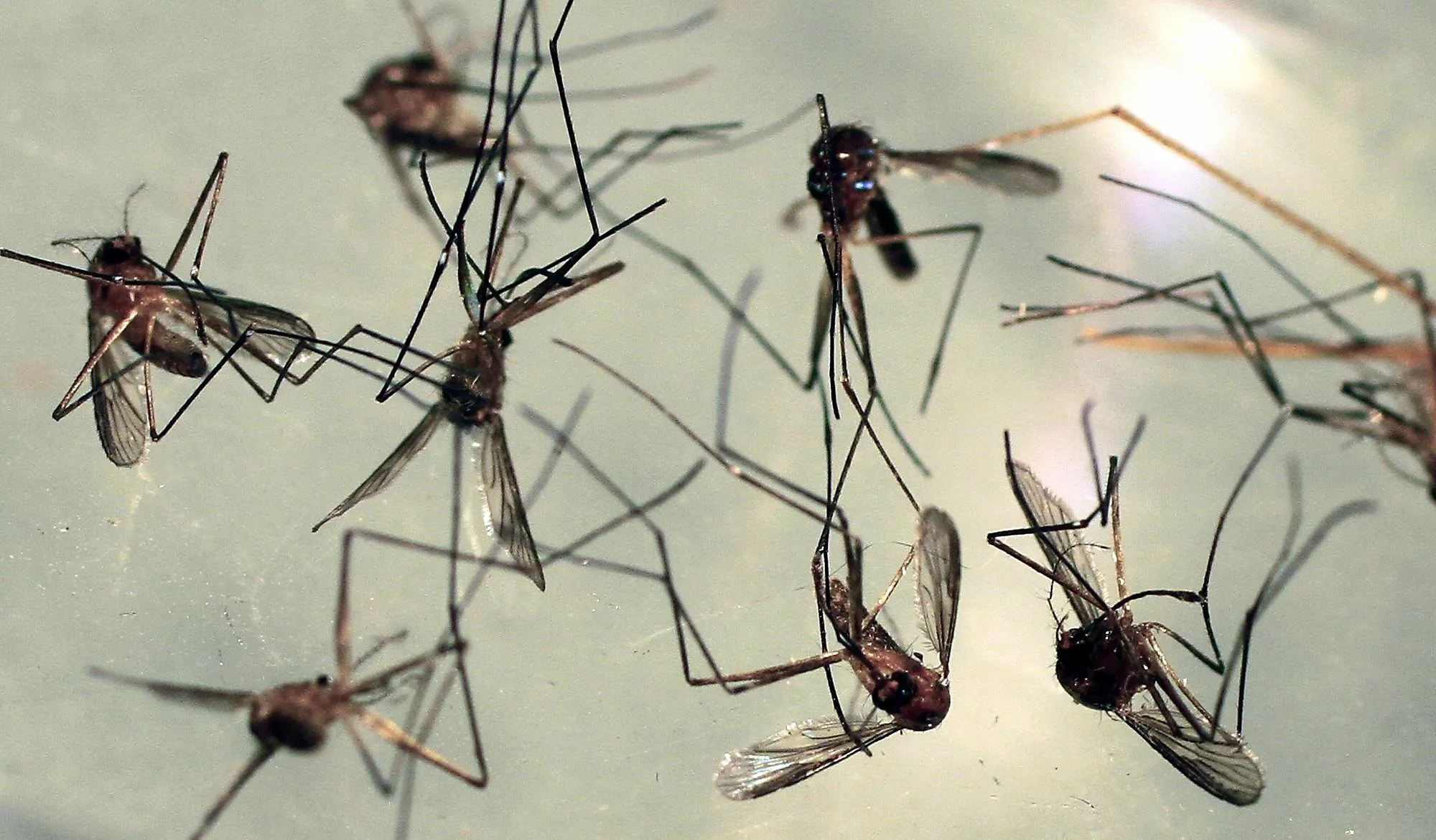
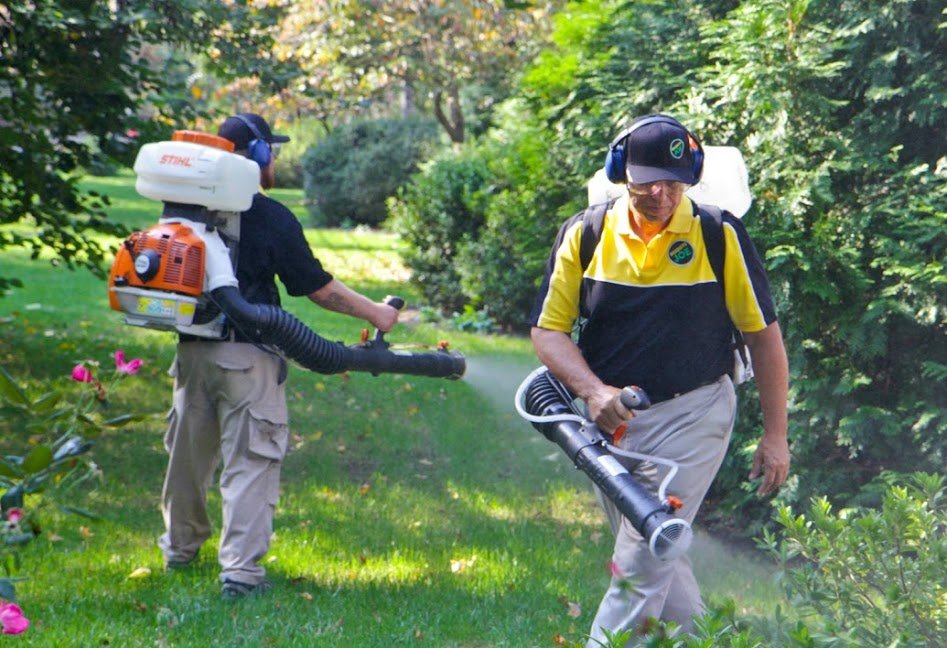
- Insecticide Sprays: Use insecticide sprays to kill adult mosquitoes. Apply sprays to vegetation, resting areas, and around the perimeter of your home.
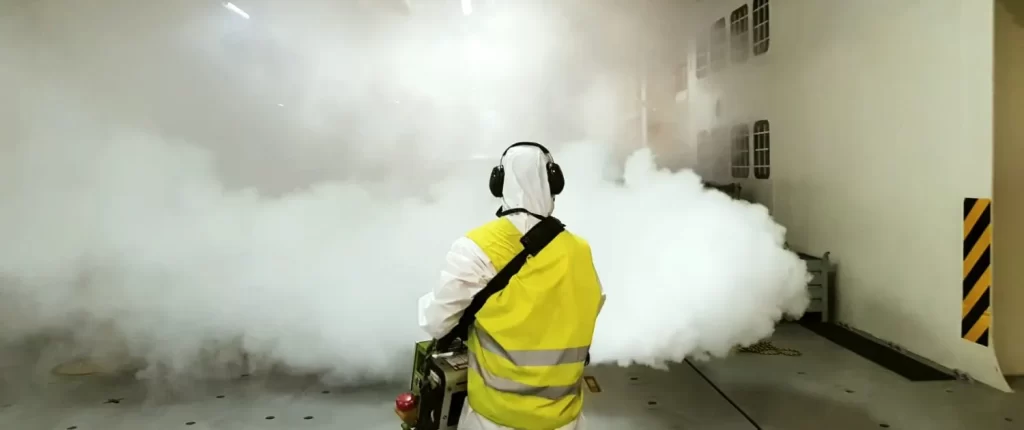
- Fogging: In severe infestations, fogging can be used to quickly reduce adult mosquito populations. This method should be used with caution and typically performed by professionals.
- Biological Control: Introduce natural predators, such as dragonflies and certain fish species, to help control mosquito populations.
- Mosquito Traps: Use traps to attract and kill mosquitoes. These traps often use carbon dioxide or light to lure mosquitoes.
Integrated Mosquito Management (IMM)
Integrated Mosquito Management (IMM) is a comprehensive approach to controlling mosquitoes that combines multiple methods for long-term and sustainable results:
- Assessment and Monitoring: Regularly assess mosquito populations and monitor the effectiveness of control measures.
- Source Reduction: Focus on eliminating breeding sites and reducing standing water.
- Biological and Chemical Control: Use a combination of biological and chemical control methods as needed.
- Public Education: Educate the community about mosquito prevention and control strategies.
- Evaluation and Adaptation: Continuously evaluate the success of your mosquito control efforts and adjust your approach as necessary.
Health and Safety Considerations
When implementing mosquito control measures, prioritize health and safety:
- Follow Product Instructions: Always read and follow the instructions on insecticide labels to ensure safe and effective use.
- Protective Gear: Wear gloves and masks when handling insecticides to prevent skin and respiratory irritation.
- Child and Pet Safety: Keep insecticides and larvicides out of reach of children and pets. Consider using child-resistant products.
- Environmental Impact: Be mindful of the environmental impact of insecticides and choose products that are safe for non-target organisms.
Conclusion
Mosquito control is a vital aspect of public health and personal comfort. By understanding mosquito behavior, implementing preventive measures, and using effective control methods, you can significantly reduce mosquito populations and protect yourself and your community from mosquito-borne diseases. For severe infestations or specialized control needs, consulting a professional pest control service is recommended.

