
Anti-Termite Treatment Methods

1. Pre-Construction Anti-Termite Treatments
Soil Treatment
- Process: Involves treating the soil with liquid termiticides before laying the foundation. The chemical barrier prevents termites from entering the building through the soil.
- Benefits: Provides long-term protection and is an effective preventive measure.
Foundation Treatment
- Process: The foundation and substructure of a building are treated with termiticides to block potential entry points.
- Benefits: Ensures a continuous barrier against termite infestation.
Wood Treatment
- Process: Wood used in the construction is treated with preservatives, such as borates, to make it resistant to termite attacks.
- Benefits: Protects wooden structures and materials from termite damage.
2. Post-Construction Anti-Termite Treatments
Barrier Treatments
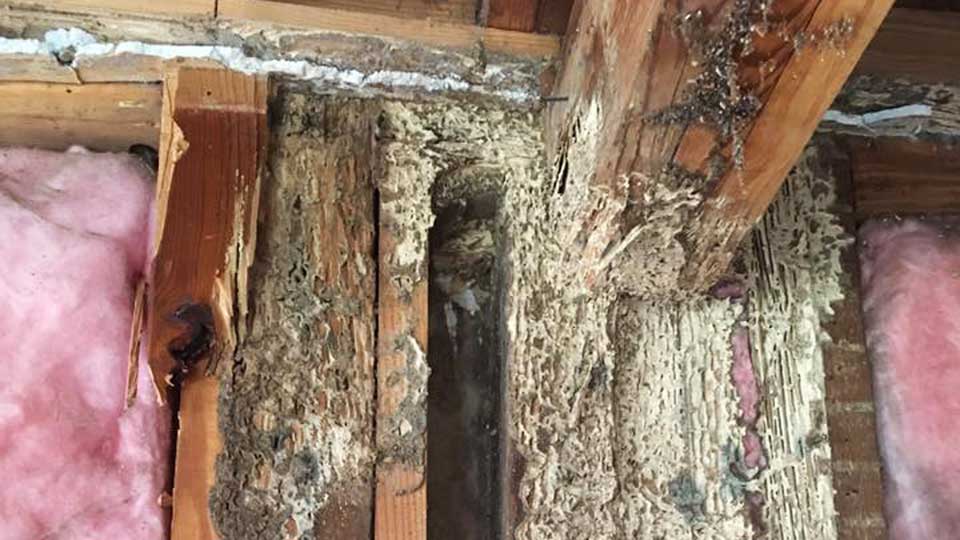
- Process: A chemical barrier is applied around the perimeter of the building and within wall voids. This barrier prevents termites from entering or moving through treated areas.
- Chemicals Used: Fipronil, Bifenthrin, Imidacloprid.
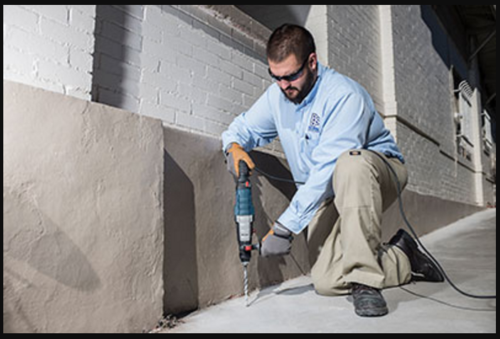
- Application: Performed by drilling holes and injecting termiticides into the soil or walls.
Baiting Systems
- Process: Bait stations containing cellulose material laced with a slow-acting poison are installed around the property. Termites feed on the bait and carry the poison back to the colony.
- Benefits: Targets the entire colony and not just individual termites, reducing the population gradually.
Direct Wood Treatment
- Process: Termiticides are injected directly into infested wood or applied as a surface treatment to protect against future infestations.
- Chemicals Used: Borates, disodium octaborate tetrahydrate.
3. Fumigation
- Process: The building is sealed and filled with a gas fumigant, such as sulfuryl fluoride, that penetrates all areas, killing termites within.
- Benefits: Effective against large infestations, especially of drywood termites.
- Considerations: Requires occupants to vacate the premises during treatment.
Chemicals Used in Anti-Termite Treatments
Common Termiticides
- Fipronil:
- Usage: Creates a protective barrier and used in bait systems.
- Effectiveness: Disrupts the termite’s nervous system, leading to death.
- Imidacloprid:
- Usage: Applied as a soil or wood treatment.
- Effectiveness: Acts as a neurotoxin, impairing the termites’ ability to function.
- Chlorpyrifos:
- Usage: Soil treatment for barrier creation.
- Effectiveness: Affects the termite’s nervous system, causing paralysis and death.
- Bifenthrin:
- Usage: Soil and barrier treatments.
- Effectiveness: Provides a long-lasting barrier and kills termites on contact.
- Borates:
- Usage: Wood treatments to prevent infestations.
- Effectiveness: Ingested by termites, leading to disruption of their digestive system.
Safety and Environmental Impact
- Eco-Friendly Options: Some newer termiticides have lower toxicity levels and are designed to be less harmful to non-target species and the environment.
- Proper Application: Following manufacturer guidelines and safety protocols ensures the safe use of chemicals and minimizes environmental impact.
Preventive Measures and Maintenance
1. Regular Inspections
- Frequency: At least once a year, or more frequently in high-risk areas.
- Scope: Inspect all areas of the property, including basements, attics, crawl spaces, and exterior foundations.
2. Moisture Control
- Methods: Repair leaks, ensure proper drainage, and maintain adequate ventilation to reduce moisture levels.
- Benefits: Termites are attracted to moisture; reducing moisture levels makes the environment less hospitable to them.
3. Removal of Wood Debris
- Methods: Clear away any wood, lumber, or cellulose debris from the vicinity of the property.
- Benefits: Reduces potential food sources for termites.
4. Use of Treated Wood
- Methods: Use wood treated with preservatives, such as borates, for construction and repairs.
- Benefits: Treated wood is less susceptible to termite damage.
5. Landscaping and Mulch Management
- Methods: Keep landscaping, such as mulch and plants, at least 18 inches away from the foundation.
- Benefits: Prevents termites from easily accessing the building.
Integrated Pest Management (IPM) Approach
1. Combining Methods
- Strategy: Use a combination of chemical, physical, and biological methods to manage termite populations effectively.
- Benefits: Provides a more sustainable and long-term solution to termite control.
2. Monitoring and Documentation
- Strategy: Regularly monitor termite activity and document all findings and treatments.
- Benefits: Helps in early detection of new infestations and assessing the effectiveness of treatments.
3. Education and Awareness
- Strategy: Educate property owners and occupants about termite behavior, signs of infestation, and preventive measures.
- Benefits: Increases the likelihood of early detection and intervention.
Professional Anti-Termite Services
Why Hire a Professional?
- Expertise: Professionals have the knowledge and experience to identify termite species, assess infestation levels, and choose the most effective treatment methods.
- Equipment: Access to specialized equipment and tools for inspection and treatment.
- Safety: Ensures the safe handling and application of chemicals, minimizing risks to occupants and the environment.
- Guarantees and Follow-Up: Many professional services offer warranties and follow-up inspections to ensure the continued effectiveness of treatments.
By understanding the various types of termites, their behaviors, and the different treatment options available, property owners can take proactive measures to protect their investments. Regular inspections, preventive measures, and professional treatments are essential for effective termite control and prevention.

